Evercreech C of E Primary School
Science
The science curriculum aims
A high-quality science education provides the foundations for understanding the world through the specific disciplines of biology, chemistry and physics. Science has changed our lives and is vital to the world’s future prosperity, and all pupils should be taught essential aspects of the knowledge, methods, processes and uses of science. Through building up a body of key foundational knowledge and concepts, pupils should be encouraged to recognise the power of rational explanation and develop a sense of excitement and curiosity about natural phenomena. They should be encouraged to understand how science can be used to explain what is occurring, predict how things will behave, and analyse causes.
Source: National Curriculum, 2014
Intent
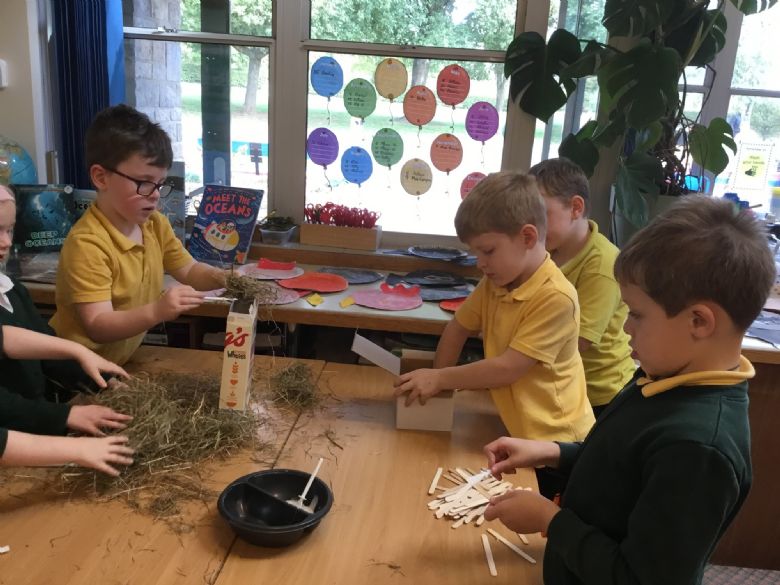
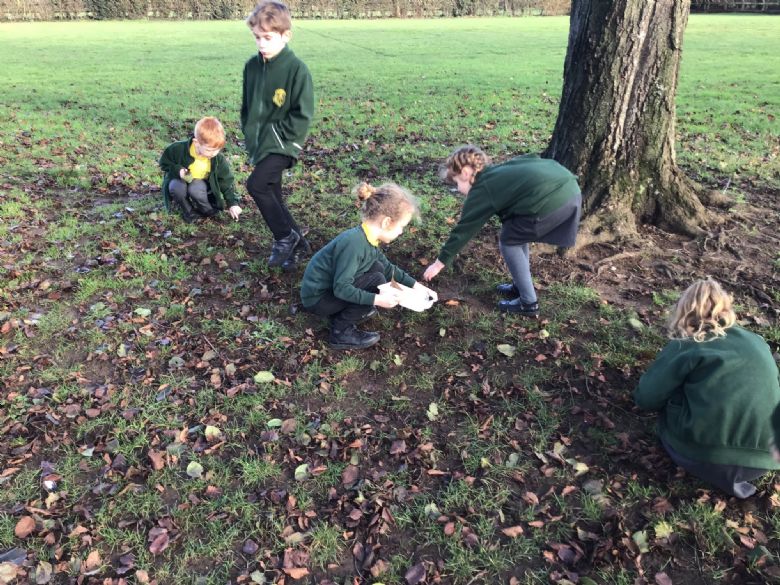
At Evercreech Primary School, Science in the EYFS aims to nurture children’s natural curiosity and sense of wonder about the world around them. Through the Understanding the World area of learning, we provide opportunities for children to explore, observe and ask questions about themselves, living things, materials, and the natural environment.
Our intent is to give children the foundations of scientific understanding by developing early enquiry skills, vocabulary and positive attitudes to learning. We aim for children to explore science through hands-on, practical experiences that encourage curiosity, problem-solving and discussion.
Science in the EYFS supports children to:
-
Begin to understand the world they live in
-
Develop confidence to ask questions and make observations
-
Use their senses to explore and investigate
-
Experience enjoyment and excitement in discovering how things work
We aim to foster a love of science from the earliest stages, helping children to see themselves as scientists, and preparing them with the knowledge, skills and attitudes needed for future learning across the curriculum and into Key Stage 1 and beyond.

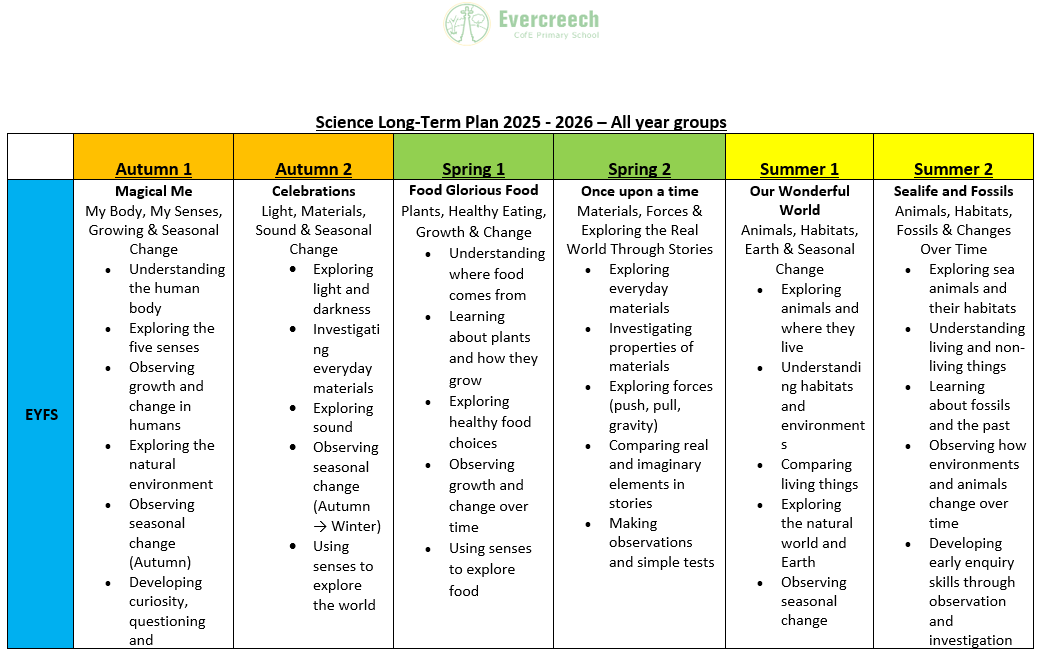
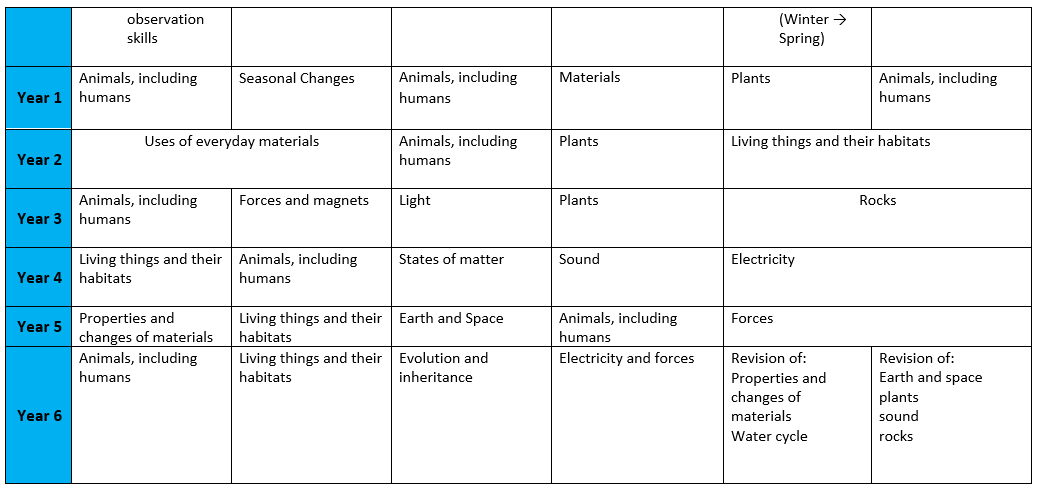
Science LTP
|
Our aim is for children to:
Skills developed by the end of KS1:
Skills developed by the end of KS2:
|